Southwest Austin & Dripping Springs Home Inspection Guide: What Local Inspectors Find Most
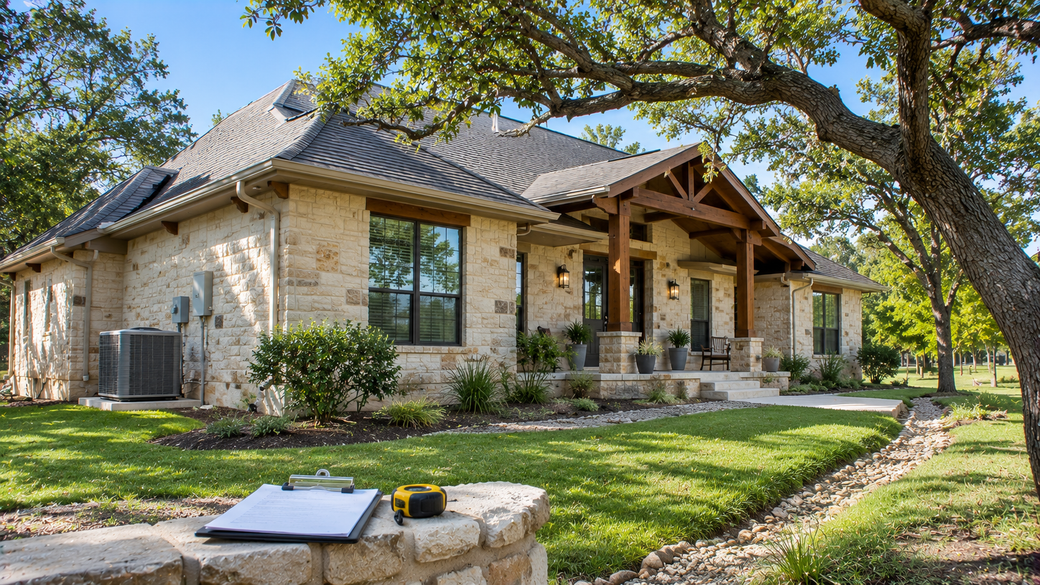
A Dripping Springs home inspection should focus first on roof condition, drainage, cooling performance, electrical safety, foundation movement indicators, and private systems like wells and septic. Long hot summers, heavy rain events, sloped Hill Country lots, and a mix of established homes, newer subdivisions, and custom acreage properties can turn overlooked maintenance into real ownership costs. A good report helps you separate routine upkeep from conditions that call for specialist review, a repair request, or a different decision before your option period ends.
One local detail worth knowing: Dripping Springs is a city in Hays County, but many homes with a Dripping Springs mailing address sit outside the city limits. Whether a property is inside the city or not can affect which utilities, permits, and services apply, so confirm it early.
Quick Facts: Home Inspections in Dripping Springs
- Inspection cost: Pricing varies with square footage, age, pools, detached buildings, acreage, wells, and septic systems. Get a written scope before scheduling.
- Inspection length: Larger homes, tight attic access, pools, detached structures, and acreage usually take more time on site than a compact house.
- Contract timeline: Texas buyers negotiate the number of option-period days in the contract. There's no fixed statewide inspection deadline.
- State oversight: Inspectors performing residential transaction inspections in Texas must be licensed by the Texas Real Estate Commission (TREC).
- Report delivery: Under TREC Rule 535.222, unless the client agrees otherwise in writing, the inspector delivers the report within two days of receiving full payment, or within two days of completing the inspection when payment was made in full beforehand.
How Inspections Differ Across Dripping Springs Properties
Inspection planning in Dripping Springs is property-specific. A standard visual inspection sets the baseline, while older homes, custom builds, pools, wells, septic systems, detached structures, and sloped lots can call for added specialist review. Before you decide on a scope, compare the home's build date, renovation history, drainage paths, roof age, and site utilities.
What Dripping Springs Inspectors Find Most Often
The findings most likely to shape a Dripping Springs inspection are roof wear, drainage issues, HVAC performance, foundation movement indicators, electrical concerns, plumbing conditions, and moisture control.
Roofing and flashing deserve early attention because long sun exposure, wind, and storms affect shingles, sealants, penetrations, gutters, and flashing. Worn materials may be routine maintenance, while active leaks or widespread deterioration can become a major expense.
Drainage and grading matter a lot on sloped Hill Country lots. Water that ponds near the foundation, runs off the roof without proper discharge, or cuts across the property can cause erosion and moisture problems. It often starts as a maintenance issue but becomes more serious when it affects the structure or site improvements.
HVAC and attic performance count through a long cooling season. Weak cooling, aging equipment, damaged ducts, thin insulation, and poor ventilation affect both comfort and operating costs. A general inspector can spot visible deficiencies, while complex system questions belong with a licensed HVAC professional.
Foundation movement indicators need context. Cracks, uneven floors, sticking doors, and separated finishes may call for a closer look, especially where soil moisture swings or drainage sends water toward the house. Texas A&M AgriLife Extension notes that clay soils found in parts of the region shrink and swell as moisture changes.
Electrical, plumbing, and moisture conditions can raise safety or function concerns. Visible wiring defects, aging panels, leaks, drain symptoms, stained framing, and disconnected ducts should get priority when they affect safe operation or point to a bigger issue.
Property type matters as much as location. If you're comparing Dripping Springs homes for sale, match the inspection scope to the lot, systems, and improvements each home has.
Common Inspection Findings: Severity and Repair Pricing
Repair costs depend on access, materials, permits, and a specialist's property-specific scope, so pricing should come from the right licensed trade after the issue is identified.
| Defect Type | How Common in Dripping Springs | Repair Pricing | Severity |
|---|---|---|---|
| Roof issues | Frequent | Written roofing quote | Moderate to Major |
| HVAC | Frequent | Written HVAC quote | Moderate to Major |
| Electrical panel or wiring | Occasional | Written electrical quote | Safety |
| Plumbing | Occasional | Written plumbing quote | Moderate to Major |
| Foundation | Occasional | Specialist evaluation | Major |
| Water intrusion or moisture | Frequent | Scope depends on source and damage | Moderate to Major |
| Insulation and ventilation | Frequent | Scope depends on attic access | Minor to Moderate |
| Septic or well concerns | Occasional, on applicable properties | Specialist evaluation | Major |
A TREC-licensed inspector performs a visual transaction inspection based on TREC's Standards of Practice. Repair pricing should come from the appropriately licensed trade professional once the condition is identified.
How Local Climate and Housing Drive Inspection Findings
Dripping Springs conditions make water management, heat exposure, and site-specific systems central to any inspection. National Weather Service climate normals for the area describe a long warm season running from late spring into early fall, which puts steady demand on cooling equipment, ductwork, attic insulation, and roofing.
The City of Dripping Springs calls itself the Gateway to the Hill Country, and many homes sit on varied terrain with acreage, detached buildings, pools, private wells, or on-site wastewater (septic) systems. That makes drainage routes, retaining walls, roof runoff, and private systems more important than a standard suburban checklist would suggest. If you're shopping homes on an acre or more, plan your inspection budget with those systems in mind.
Housing ranges from established homes to newer subdivisions and custom Hill Country builds. Older homes need a closer look at updates and past repairs. Newer homes still deserve attention to installation quality, roof details, drainage, and HVAC balancing. The inspection should follow the home's age, systems, and site.
Red Flags That Can Change Your Decision
- Active roof leaks: Water entry can affect framing, insulation, ceilings, and insurance options when replacement is near-term.
- Significant foundation movement indicators: Sloping floors, recurring cracks, or doors that no longer close properly may justify a structural follow-up.
- Septic deficiencies: Acreage properties can face costly, time-sensitive specialist work when the on-site wastewater system shows problems.
- Private well concerns: Equipment condition and water-quality follow-up can change the risk profile of a home without city water.
- Unsafe electrical conditions: Damaged panels, exposed wiring, or missing safety protections may need prompt work by a licensed electrician.
Choosing a Home Inspector in Dripping Springs
Choose an inspector with an active TREC license and experience with the type of property you're buying. TREC licenses inspectors for residential transaction work and requires a standard report form and its Standards of Practice. Professional Inspector is the highest inspector license level in Texas.
Ask what the written scope includes, what it excludes, and when you'll receive the report. A standard inspection is visual and non-destructive, so it doesn't replace a specialist when the report flags a concern.
Specialty reviews are often worth it for pools and spas, private wells, septic systems, drainage concerns, roofing, and suspected moisture damage. A sewer scope makes sense when plumbing age, symptoms, or history call for a closer look. New-construction buyers can also benefit from an independent inspection before closing, especially to document drainage, roofing, mechanical systems, or finishes.
Standard vs. Specialty Inspections in Dripping Springs
Most buyers start with a standard inspection, while pools, wells, septic systems, and significant roof or drainage concerns often justify targeted specialty review.
| Inspection Type | Recommended in Dripping Springs? | Add-On Cost | Why It Matters Here |
|---|---|---|---|
| Sewer scope | Sometimes | Written quote | Useful when plumbing age or symptoms justify a closer look |
| Radon test | Rarely | Written quote | Consider when property-specific concerns support testing |
| Mold and air quality | Sometimes | Written quote | Useful with visible moisture, staining, odors, or health concerns |
| Pool and spa | Yes, when present | Written quote | Equipment, barriers, surfaces, and drainage need specialist review. Browsing pool homes? Budget for this add-on. |
| Roof evaluation | Sometimes | Written quote | Clarifies repair scope after a roof finding |
| Four-point inspection | Sometimes | Written quote | An insurer or lender may request focused system information |
| Wind mitigation report | Rarely | Written quote | Consider only when an insurer or lender asks for it |
| Chimney | Sometimes | Written quote | Masonry and flues may need specialist review |
| Septic or well evaluation | Yes, when present | Written quote | Private systems go beyond a standard visual inspection |
Using the Inspection Report to Negotiate
The report is most useful when it separates significant conditions from ordinary upkeep. Active leaks, unsafe electrical issues, serious drainage problems, and confirmed private-system deficiencies usually support the clearest repair conversation because they affect safety, function, insurability, or near-term cost.
For smaller maintenance items, it often makes sense to save your requests for the high-impact concerns and fold routine work into your ownership budget. A repair by a licensed professional, a price adjustment, or a closing credit can each fit, depending on financing, contractor availability, seller disclosures, and the evidence behind your request.
A seller can decline to make changes. Texas buyers with a paid option period may negotiate repairs or terminate within that period by giving timely notice under their contract. Keep the deadline visible, schedule specialist follow-ups right away, and account for ongoing ownership costs before you make a final call.
Local tip: Walk the path water takes across the whole lot, not only the inside of the house. On sloped Dripping Springs properties, runoff routes can matter more than buyers expect.
If you're earlier in the process, this Southwest Austin and Dripping Springs buyer's guide covers budgeting and search steps that come before the inspection.
Frequently Asked Questions
How much does a home inspection cost in Dripping Springs?
Pricing depends on the home's size, age, accessibility, pools, detached structures, acreage, and private systems. Ask for a written scope that separates the standard inspection from any specialty evaluations.
What do home inspectors in Dripping Springs find most often?
Roof condition, drainage, HVAC performance, foundation movement indicators, electrical safety, plumbing, and moisture control are the key areas. On sloped lots, drainage findings deserve extra attention, especially when foundation indicators show up too.
Can a seller refuse to fix anything after an inspection?
Yes, a seller can decline a repair request. You can negotiate a repair, a credit, a price change, or no change, and a paid option period gives you a contract-based right to terminate when you deliver timely notice under the agreed terms.
Do I need an inspection on a new construction home in Dripping Springs?
An independent inspection can still be valuable for new construction, since installation, drainage, roof-detail, HVAC, or finish issues may need attention before closing. Use a TREC-licensed inspector and consider added review for pools, private systems, or complex site drainage.
How long does an inspection take, and when do I get the report?
Timing depends on the home's size, age, access, and features such as pools, acreage, detached buildings, wells, or septic systems. Under TREC Rule 535.222, the report is generally due within two days of full payment, or within two days of completing the inspection when payment was received in full beforehand.
Get a Second Set of Eyes on Your Report
Colbey and Sarah Pfund of ATX Unlocked Group help Dripping Springs buyers sort through inspection findings, line up specialist follow-ups, and decide which requests are worth making during the option period. Call or text (310) 433-6017, email info@atxunlocked.com, or send a message to talk through your report before your deadline.
Categories
Recent Posts