The First-Time Buyer’s Guide to Starter Homes in Southwest Austin & Dripping Springs
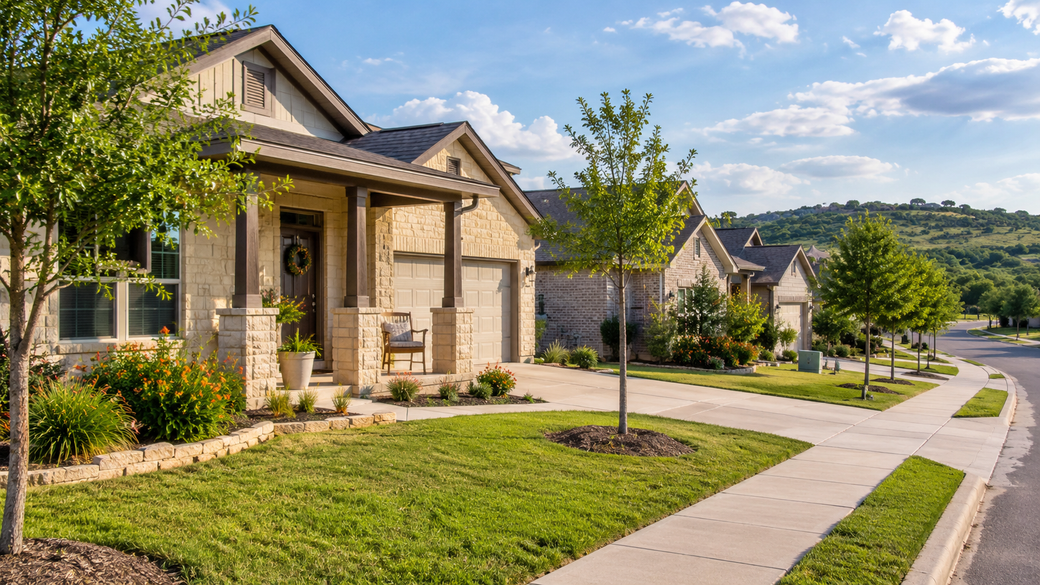
Buying your first home is a big milestone, and in South Austin, Buda, and Kyle the same budget can lead to very different homes depending on property type, taxes, HOA dues, and commute. South Austin is part of the City of Austin, while Buda and Kyle are separate cities in Hays County along the I-35 corridor, each with its own mix of older resales, townhomes, and newer construction. This guide covers what to budget beyond the down payment, how to compare these three areas, and what to expect from pre-approval through closing day.
What Shapes Starter-Home Pricing in South Austin, Buda & Kyle
Price range: Starter-home pricing differs sharply by property type, condition, tax jurisdiction, and distance from central Austin. Condos, townhomes, and older detached resales often create lower entry points than newer or larger homes.
Time on market: Marketing time varies by price, presentation, repairs, and location. Clean, well-priced, move-in-ready homes tend to draw attention faster than listings that need substantial updates.
Room to negotiate: Sale terms depend on comparable sales, listing history, buyer demand, and seller priorities. A home that has been on the market longer may leave more room to negotiate than a fresh listing with strong appeal.
Inventory that matters to you: The most useful inventory is the set of homes that fit your payment target, commute direction, property-type preference, and tolerance for future maintenance.
What the First-Time Buyer Market Looks Like Right Now
First-time buyers can still find a path to ownership in South Austin, Buda, and Kyle, but the clearest opportunities usually come from flexibility on property type, age, finishes, and exact location. Attached homes, smaller detached resales, and newer homes farther from central Austin each serve different budgets and lifestyles.
Financing costs are a big part of the picture. Freddie Mac's Primary Mortgage Market Survey put the average 30-year fixed rate at 7.11% as of November 12, 2026, compared with 6.24% a year earlier. That figure is a national average, not a quote, so your own rate will depend on your credit, loan type, and down payment. With borrowing costs higher than a year ago, it pays to compare condition, monthly ownership costs, HOA rules, and seller terms instead of focusing on list price alone.
Competition can stay firm for homes that combine a practical layout, manageable upkeep, and easy access to major job centers. South Austin tends to appeal to buyers whose routines point toward central Austin. Buda and Kyle tend to appeal to buyers who want more newer-construction choices and are comfortable with a longer drive north. Test that drive at the times you would make it before you build a tour list.
Is a Starter Home Within Reach in South Austin, Buda & Kyle?
First-time buyers can get into all three markets by matching their search to a realistic payment range and staying open to different home types.
- Single-family entry homes can be limited in the most established South Austin locations, while condos, townhomes, and smaller resales may offer more attainable routes to ownership.
- Buda and Kyle buyers will see more newer community choices, though tax rates, HOA dues, utility arrangements, and commute time can differ from one neighborhood to the next.
- Move-in-ready homes with functional layouts and few immediate repair needs still tend to attract stronger interest than homes with visible deferred maintenance.
- A buyer starting today should set a monthly payment ceiling, confirm financing, and decide which tradeoffs matter most before the right property appears.
Step 1: Budget for More Than the Down Payment
A practical first-home budget starts with the monthly payment you can carry comfortably, not the maximum a lender may approve. In South Austin, Buda, and Kyle, that payment includes principal and interest, property taxes, homeowners insurance, mortgage insurance when it applies, and HOA dues. Outside the monthly payment, plan for utilities, maintenance, moving costs, and a cash cushion after closing.
Down payment strategies vary. FHA financing can allow eligible buyers to purchase with a 3.5% minimum down payment, subject to current program rules and lender standards. Conventional financing may fit buyers putting down anywhere from a modest amount to 10% or 20%, depending on credit, reserves, debt, and payment goals. A larger down payment lowers the loan amount, but it shouldn't leave you without cash for closing costs and early ownership needs.
Property taxes vary by address because homes fall under different taxing entities, exemptions, and special districts. Many newer neighborhoods in Buda and Kyle sit inside a municipal utility district (MUD) or public improvement district (PID), which can add to the annual tax bill. That's why a tax estimate for one address is a poor substitute for the actual tax record on another. HOA fees vary widely too. A townhome or condo may cover some exterior services through the association, while a detached home usually puts more repair responsibility on the owner.
Eligible buyers can ask an approved lender about Texas assistance programs that may help with down payment or closing costs. Income limits, purchase-price caps, occupancy rules, education requirements, and loan types can change, so confirm the current terms before you count on program funds. Ask your lender to run side-by-side payment scenarios for two or three price points so you can see how each one changes your monthly budget.
Estimating the Monthly Cost of a Starter Home
Build each comparison from a lender's current rate quote, the property's tax record, an insurance quote, HOA documents, and your planned down payment. An entry-level townhome may have a lower price but higher recurring HOA dues, while a detached starter home may need a larger maintenance reserve. Compare each property's complete monthly cost rather than treating list price as the deciding number.
Step 2: Get Pre-Approved and Explore First-Time Buyer Programs
Pre-approval gives you a documented borrowing range and shows sellers that your financing is ready to support an offer. A lender typically reviews employment, income, credit, debts, assets, and supporting documents such as pay stubs, tax returns, bank statements, and identification.
Conventional, FHA, and VA loans serve different situations. Conventional financing may suit buyers with stronger credit, larger reserves, or a preference for certain mortgage-insurance structures. FHA financing can offer a lower-down-payment route for eligible borrowers. VA loans may be available to eligible veterans, service members, and qualifying surviving spouses, subject to program requirements.
Sellers usually weigh more than price. They look at financing strength, earnest money, requested concessions, closing timing, and how clear your documentation is. A complete pre-approval letter and a responsive lender reduce uncertainty on the seller's side.
Assistance programs can be valuable, but understand their timing and paperwork before you rely on them in an offer. If you want a simple checklist to organize the process before tours begin, these essential home-buying steps for first-time buyers are a good starting point.
Step 3: Compare South Austin, Buda & Kyle for a Starter Home
Compare each area by commute direction, housing style, tax and HOA structure, and daily routine instead of assuming they all work the same way.
South Austin
South Austin, within the City of Austin, offers the shortest trip to central Austin of the three. Buyers will find older detached homes, condos, and townhome communities, and condition and renovation history play a major role in value. Lot sizes and finishes vary widely, so this area fits buyers who put location first and are flexible about home age. If you're open to attached living, filtering for condos can widen your options at the lower end of the budget.
Buda
Buda is a city in Hays County just south of Austin along I-35. Its housing mix includes established subdivisions alongside newer planned communities. Review HOA obligations, any MUD or PID taxes, and each home's maintenance needs closely, because two homes at similar prices can carry very different annual costs. You can scan current Buda listings to see how pricing shifts between older and newer sections of town.
Kyle
Kyle, also a city in Hays County, has many newer subdivisions, which gives first-time buyers more chances to weigh a quick move-in new build against a resale. Builder incentives, when offered, may help with closing costs or a rate buydown, but they change often and depend on the builder, the home, and the lender. Get the current offer in writing, note the date, and compare the full cost of that home with resale homes in Kyle at a similar price.
A Note on Schools
School attendance boundaries can vary even within the same general area. If schools factor into your decision, verify boundaries and enrollment details directly with the school district for the exact address before you make an offer.
Step 4: Evaluate Starter Homes for Long-Term Value
A strong starter home supports your daily life while leaving room in the budget for ownership costs.
- Prioritize structural condition and major systems over paint colors, staging, or cosmetic finishes.
- Review the roof, HVAC, plumbing, drainage, electrical updates, windows, and visible signs of deferred maintenance.
- Consider whether the layout works for storage, parking, pets, guests, remote work, and changing household needs.
- Look for resale basics such as a functional bedroom count, usable outdoor space, practical parking, and easy access to everyday services.
- Read HOA documents carefully for rules, fees, insurance responsibilities, rental restrictions, and planned assessments.
- Compare homes by their full ownership profile, including condition, monthly cost, and future maintenance.
Step 5: Write a Strong Offer on Your First Home
A competitive starter-home offer balances price, financing strength, practical terms, and a closing timeline the seller can accept. The strongest offer isn't always the highest one. It's the offer that fits the property's position and stays within your financial limits.
Earnest money shows commitment, and a clear pre-approval letter explains your readiness to close. Seller concessions may help with certain closing costs when the loan program and contract allow them. Closing dates should reflect lender timing, seller needs, and your moving plans.
Contingencies should give you protections that match the property and your risk tolerance. Consider the home's condition, competing options, seller priorities, financing, and timeline before changing terms, and make sure you understand every contract provision before using it to strengthen an offer.
The most common mistake is stretching past a comfortable monthly payment to win a starter home. Set a firm payment ceiling before negotiations begin, and protect funds for taxes, insurance, maintenance, and life after closing.
Step 6: Inspection, Appraisal, and Closing Day
A careful closing process helps you understand the home's condition, its value for financing, its ownership history, and your final cash requirement before you sign. A general home inspection is common, and some homes warrant a closer look at the roof, HVAC, plumbing, drainage, or sewer line based on age and visible conditions.
The appraisal helps the lender evaluate the home against the loan amount. If the value comes in below the contract price, your agent and lender can explain the contract and financing options available. Title work reviews ownership history and flags anything that needs to be resolved before transfer.
Closing costs depend on loan type, negotiated terms, prepaid taxes and insurance, title charges, lender fees, and concessions. Ask for a Loan Estimate early, then review final figures before closing day. Always confirm wiring instructions by calling a trusted, independently verified phone number.
Starter Townhomes vs. Single-Family Starter Homes
Townhomes often offer lower-maintenance living, while single-family starter homes usually provide more privacy and control.
| Consideration | Starter Townhome | Single-Family Starter Home |
|---|---|---|
| Typical price point | Can offer a more accessible entry point in some locations | Can cost more depending on lot, condition, and location |
| Exterior maintenance | Often shared through the HOA | Usually handled directly by the owner |
| HOA fees | Common in many communities | May apply in planned neighborhoods |
| Private yard space | Often limited or shared | Usually more private outdoor space |
| Resale demand | Can appeal to buyers seeking convenience | Can appeal to buyers seeking privacy and flexibility |
| Financing review | HOA documents, insurance, and association finances | Condition, maintenance history, and insurance needs |
| Appreciation potential | Depends on location, HOA health, and condition | Depends on location, lot, condition, and buyer demand |
Frequently Asked Questions
What does a starter home cost in South Austin, Buda & Kyle?
Pricing varies widely between condos, townhomes, older detached resales, and new construction, and between South Austin and the two Hays County cities. Instead of relying on one regional average, compare similar homes by total monthly cost, tax record, insurance estimate, HOA dues, location, and condition.
How much down payment do first-time buyers need?
Eligible FHA buyers may be able to purchase with 3.5% down, while conventional buyers can choose from several down payment approaches based on credit, reserves, and payment goals. Budget for closing costs, prepaid items, and a financial cushion after closing as well.
Are there first-time buyer assistance programs in Texas?
Texas buyers may qualify for programs that help with down payment or closing costs through approved lenders. Eligibility can depend on income, purchase price, loan type, occupancy, credit, and current program availability.
Should I buy a townhome or a single-family house as my first home?
A townhome can work well if you prefer shared exterior maintenance and a simpler ownership routine. A single-family home may offer more privacy, parking, and yard space, but it usually requires more maintenance planning.
Is a new build in Kyle or Buda better than a resale?
It depends on the full cost and your timeline. A quick move-in new build may come with a builder incentive and fewer early repairs, while a resale may offer a more established neighborhood, mature landscaping, or a lower price. Compare both on monthly payment, taxes (including any MUD or PID), HOA dues, and what's included.
How long should I plan to stay in a starter home?
Plan for several years of ownership rather than treating a starter home as a short stop. Your timing should account for transaction costs, career plans, household changes, resale conditions, and whether the home can support your next stage of life.
Talk Through Your First Purchase with a Local Team
Colbey and Sarah Pfund lead ATX Unlocked Group, a husband-and-wife team with Pure Realty who work with first-time buyers in South Austin, Buda, and Kyle. The team's credentials include the ABR® designation for buyer representation, and they can help you set a realistic budget, compare new builds with resales, and negotiate your offer. Call or text (310) 433-6017, email info@atxunlocked.com, or send the team a message to start your starter-home search.
Categories
Recent Posts